How to properly perform CPR
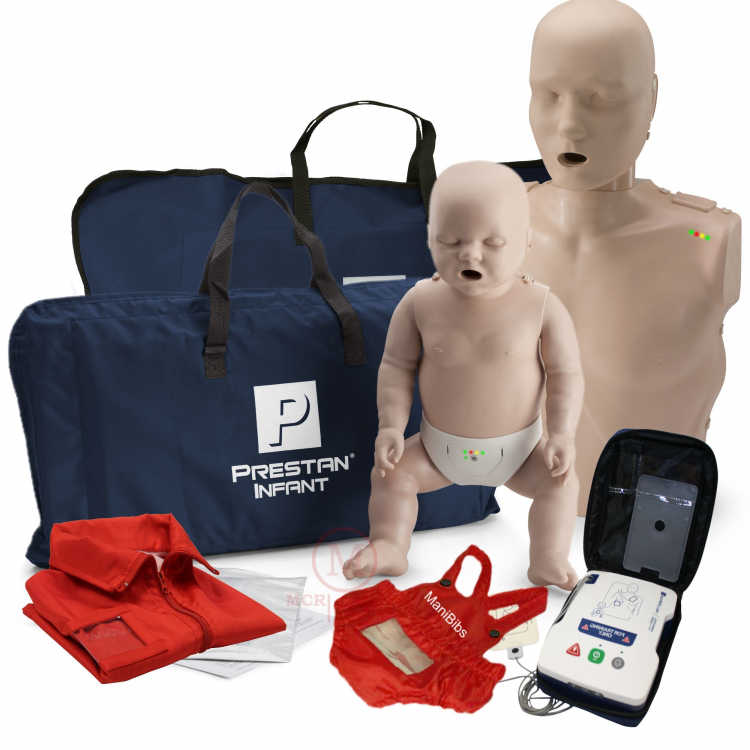
CPR Equipment


1. Ensure Safety: Before starting CPR, make sure the environment is safe for both the rescuer and the victim. Check for hazards like traffic, fire, or debris.
2. Check Responsiveness: Gently tap the person and shout to see if they respond. If there’s no response, call for emergency medical services immediately. If you’re with others, delegate someone to make the call while you begin CPR.
3. Open the Airway: Place the person on their back on a firm surface. Tilt the head back slightly by lifting the chin and pushing down on the forehead to open the airway.
4. Check for Breathing: Look, listen, and feel for breathing for no more than 10 seconds. If the person isn’t breathing or is only gasping, begin CPR.
5. Chest Compressions: Kneel beside the person. Place the heel of one hand on the center of the chest (on the lower half of the sternum), and place the other hand on top, interlocking your fingers. Keep your arms straight and shoulders directly over your hands. Press down hard and fast, at least 2 inches deep, at a rate of 100 to 120 compressions per minute. Allow the chest to fully recoil between compressions.
6. Rescue Breaths: After 30 compressions, give 2 rescue breaths. Pinch the nose shut, cover their mouth with yours to create a seal, and blow in for about 1 second each, watching for the chest to rise. Continue cycles of 30 compressions and 2 breaths.
7. Automated External Defibrillator (AED): If available, use an AED as soon as possible. Follow the device’s instructions while continuing CPR until the AED is ready to analyze the heart rhythm.
8. Continue CPR: Keep performing CPR until medical professionals arrive, the person shows signs of life, or you are too exhausted to continue.
Proper technique and prompt action are crucial. Taking a certified CPR course can provide hands-on practice and further understanding of the procedure.
Learn how to give the Heimlich Maneuver here
As an Amazon Associate, I earn from qualifying purchases.