
Florida Termites How to Identify and Solve Pest Problems


Introduction to Florida Termites and Their Impact on Homes
 In the lush and humid climate of Florida, termites are more than just an occasional nuisance; they are a persistent and costly threat to homes and buildings throughout the state. These silent invaders can cause extensive structural damage before homeowners even realize there’s a problem. Understanding the impact of termites on Florida homes is crucial for protecting your investment and maintaining peace of mind.
Termites thrive in Florida’s warm, moist environments, making the state a hotbed for various termite species. Among the most common are subterranean, drywood, and dampwood termites. Each species has unique characteristics and habits, but all share the ability to consume wood and cellulose materials, often leading to significant damage if left unchecked. Subterranean termites, for instance, are known for building extensive underground tunnels to access food sources, while drywood termites can survive in wooden structures without needing soil contact.
The financial implications of termite infestations are considerable. Repairing the damage caused by these pests can cost thousands of dollars, and in severe cases, may require structural replacements. This not only affects the home’s value but can also disrupt the lives of residents as repairs are underway. Beyond the financial burden, there is also the emotional stress of dealing with potential safety hazards and the uncertainty of future infestations.
Proactive measures such as regular inspections and preventive treatments are essential in safeguarding homes against termite invasions. By staying informed and vigilant, homeowners can mitigate the risks posed by these destructive insects and preserve the integrity of their property.
Want to learn more about protecting your home from termites? . Ready to take action?
Recognizing the Signs of a Termite Infestation
In the humid climate of Florida, termites find an ideal habitat to thrive, posing significant challenges to homeowners. Recognizing the signs of a termite infestation early can save you from costly damages and extensive repairs. Although these pests are elusive, certain indicators can hint at their presence, allowing you to take timely action.
Common Indicators of Termite Activity
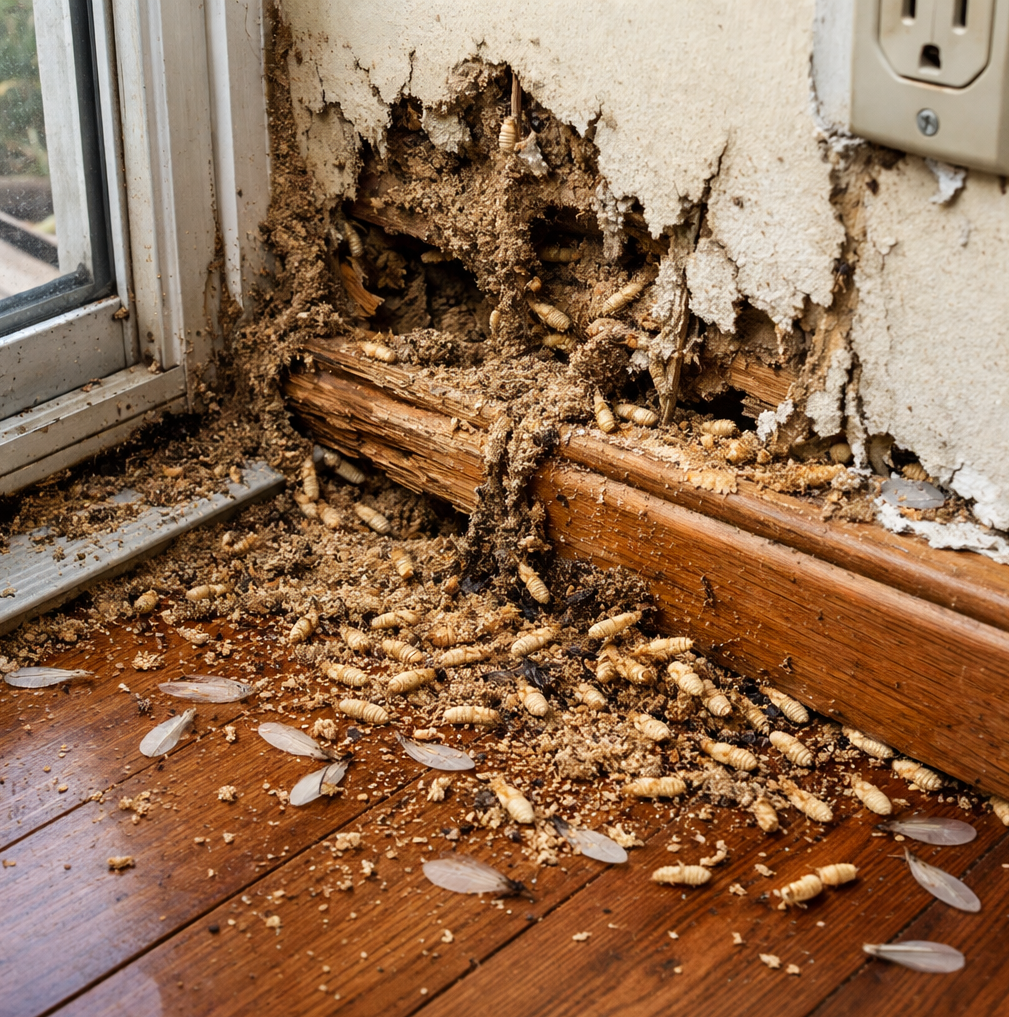
- Discarded Wings: Subterranean termites typically shed wings when they form new colonies. Spotting piles of discarded wings near windowsills or doorways can be a telltale sign.
- Mud Tubes: These pencil-thin, soil-colored tubes can often be found on exterior walls or foundations. Termites build them to travel safely, shielding themselves from predators and dehydration.
- Wood Damage: Termites consume wood from the inside out, leaving behind hollowed-out structures. Tapping on wooden beams or floors and noticing a hollow sound could indicate an infestation.
- Frass: Drywood termites leave small, sand-like droppings known as frass, often visible near infested wood.
Being vigilant about these signs is crucial in preventing a full-blown infestation. Regular inspections, especially in vulnerable areas like basements and attics, can help identify issues before they escalate. If any of these signs are present, consulting with pest control professionals can provide peace of mind and effective solutions. Remember, early detection is key to minimizing damage and ensuring the safety of your home.
Different Types of Termites Found in Florida
Florida’s warm, humid climate makes it a breeding ground for various types of termites. Understanding these species is crucial for homeowners who wish to protect their property from potential infestations.
Subterranean Termites
The most common and destructive species are subterranean termites. They typically dwell underground, building extensive tunnel systems to reach above-ground food sources. These pests are particularly fond of moist environments and can cause severe structural damage if not detected early. Their presence is often indicated by the appearance of mud tubes along walls or foundation.
Drywood Termites
Unlike their subterranean cousins, drywood termites do not require contact with soil. They infest dry wood and can be found in attic beams, furniture, and other wooden structures. These termites are notorious for their ability to survive in dry conditions, making them particularly challenging to detect and eradicate. Their presence is often signaled by small piles of wood-colored pellets, known as frass.
Formosan Termites
Formosan termites, a type of subterranean termite, are among the most aggressive and destructive. Originating from Asia, they have established themselves in Florida, causing significant damage due to their large colony sizes and rapid reproduction rates. They often attack trees, boats, and utility poles, making them a formidable foe for homeowners and businesses alike.
Identifying the type of termite is the first step in addressing a pest problem. Early detection and professional intervention are crucial in preventing extensive damage. For a comprehensive understanding of how to tackle termite issues, consider reaching out to a pest control expert or exploring our educational resources on termite management.
Understanding the Damage Caused by Termites
Termites may be small, but the havoc they wreak is anything but insignificant. These relentless pests are known for their ability to silently invade homes and businesses, causing extensive damage before their presence is even detected. Understanding the true extent of termite damage is crucial for property owners aiming to protect their investments and maintain the structural integrity of their buildings. Termite damage is not just a superficial concern; it has both financial and safety implications that require immediate attention.
Termites thrive by feasting on cellulose, the organic fiber found in wood and other plant materials. This appetite makes them particularly dangerous to the wooden structures that form the backbone of many buildings. Over time, unchecked termite activity can lead to the weakening of walls, floors, and even foundational supports, compromising the safety of the entire structure. The cost of repairs can be staggering, often running into thousands of dollars, especially if the infestation is extensive and has been ongoing for a significant period.
Key Indicators of Termite Damage
- **Hollow-sounding wood:** Tapping on wooden surfaces and hearing a hollow sound can indicate termite presence, as they often consume wood from the inside out.
- **Mud tubes:** Termites construct mud tubes for protection as they travel between their colony and food sources. These can often be found along walls and foundations.
- **Discarded wings:** After swarming, termites shed their wings. Piles of these discarded wings near windowsills or doorways are a common sign of an infestation.
- **Frass:** This is termite droppings that resemble tiny wood-colored pellets. Finding frass around your home is a clear indicator of termite activity.
Recognizing these signs early on is vital. By staying vigilant and conducting regular inspections, property owners can mitigate damage and address termite issues before they escalate. For those who suspect an infestation, reaching out to pest control professionals for a thorough evaluation and solution is essential. Protecting your home from termites is not just about preserving its value; it’s about ensuring the safety and comfort for everyone who resides within.
Preventative Measures for Termite Control
Termites, those silent destroyers, can cause significant damage to your property if left unchecked. However, implementing preventative measures can help protect your home and save you from costly repairs. Understanding how to prevent termite infestations is crucial, particularly in Florida, where the warm, humid climate creates an ideal breeding ground for these pests.
Firstly, it is essential to eliminate sources of moisture around your home, as termites thrive in damp environments. Fix any leaks in your plumbing and ensure proper drainage around the foundation. Additionally, reducing humidity in crawl spaces with proper ventilation can be a powerful deterrent.
Another effective strategy is to create a chemical barrier around your home. This involves using termiticides, which are specifically designed to repel or kill termites. It’s advisable to consult a professional pest control service to ensure the correct application and maximize effectiveness.
Regular inspections are also vital in the fight against termites. Schedule annual inspections with a certified pest control expert who can identify early signs of infestation and take swift action. This proactive approach not only aids in early detection but also in preventing a full-blown infestation.
Finally, maintain a clean and clutter-free environment. Remove any wood debris from your yard, and store firewood at least 20 feet away from your house. Keep an eye on wooden structures and consider using treated wood for construction, which is less appealing to termites.
By taking these preventative steps, you can protect your home from termite damage and enjoy peace of mind.