
Essential Tips to Navigate Florida’s Hurricane Season


Introduction to Florida’s Hurricane Season
 Florida’s hurricane season, spanning from June to November, is a time of heightened awareness and preparation for residents and businesses alike. With its unique geographical location, Florida is particularly susceptible to tropical storms and hurricanes, which makes understanding the nuances of this season vital for everyone within the state.
For many, the hurricane season can be a daunting period marked by uncertainty and disruption. The key to navigating these challenges lies in preparedness and education. By equipping oneself with the right knowledge and tools, Floridians can safeguard their homes, businesses, and themselves from potential harm. This proactive approach not only mitigates risks but also fosters a sense of confidence and resilience within the community.
At its core, Florida’s hurricane season represents more than just a series of weather events; it embodies a shared experience that unites communities and underscores the importance of vigilance and solidarity. Whether you’re a long-time resident or new to the state, understanding the dynamics of hurricane season is crucial. It includes knowing the warning signs, understanding evacuation routes, and having a solid emergency plan in place. The goal is to ensure that when a hurricane does strike, you’re not only ready but also able to bounce back with minimal disruption.
Embracing these challenges with a well-informed mindset can transform the hurricane season from a period of fear into an opportunity for growth and community bonding. By focusing on preparation and education, we can collectively weather the storm and emerge stronger on the other side.
Understanding the Importance of Preparation
As the hurricane season approaches in Florida, understanding the importance of preparation can make a significant difference in ensuring safety and minimizing property damage. Hurricanes are notorious for their unpredictable nature and destructive power, making it imperative for residents and businesses alike to remain vigilant and prepared. This section will provide insight into why preparation is crucial, along with practical tips to help you navigate the stormy season effectively.
One of the primary reasons preparation is vital is the sheer unpredictability of hurricanes. Forecasts can change rapidly, and storms can intensify with little notice. By preparing in advance, you ensure that you have the essential supplies and plans in place to keep your family safe. Stockpiling non-perishable food items, water, and medical supplies is a good starting point. Additionally, securing an emergency kit that includes flashlights, batteries, and a first-aid kit can provide peace of mind.
Another critical aspect of preparation is safeguarding your property. This includes reinforcing windows and doors, securing outdoor furniture, and ensuring that your insurance policies are up-to-date. It’s also wise to have a clear evacuation plan and to stay informed about local evacuation routes.
Moreover, staying informed and aware of the latest weather updates and advisories can help you make timely decisions. Use multiple sources of information, such as local news, weather apps, and official government alerts, to stay updated.
Finally, community engagement plays a significant role in hurricane preparedness. Collaborating with neighbors, sharing resources, and participating in local emergency planning initiatives can enhance the resilience of your community.
By understanding the importance of preparation and taking proactive steps, you can mitigate the risks associated with Florida’s hurricane season. Remember, preparation is not just an individual responsibility but a community effort that requires cooperation and readiness. For further guidance, explore our detailed hurricane preparedness guide or book a consultation with our experts to ensure you’re ready for the upcoming season.
Creating a Comprehensive Hurricane Kit
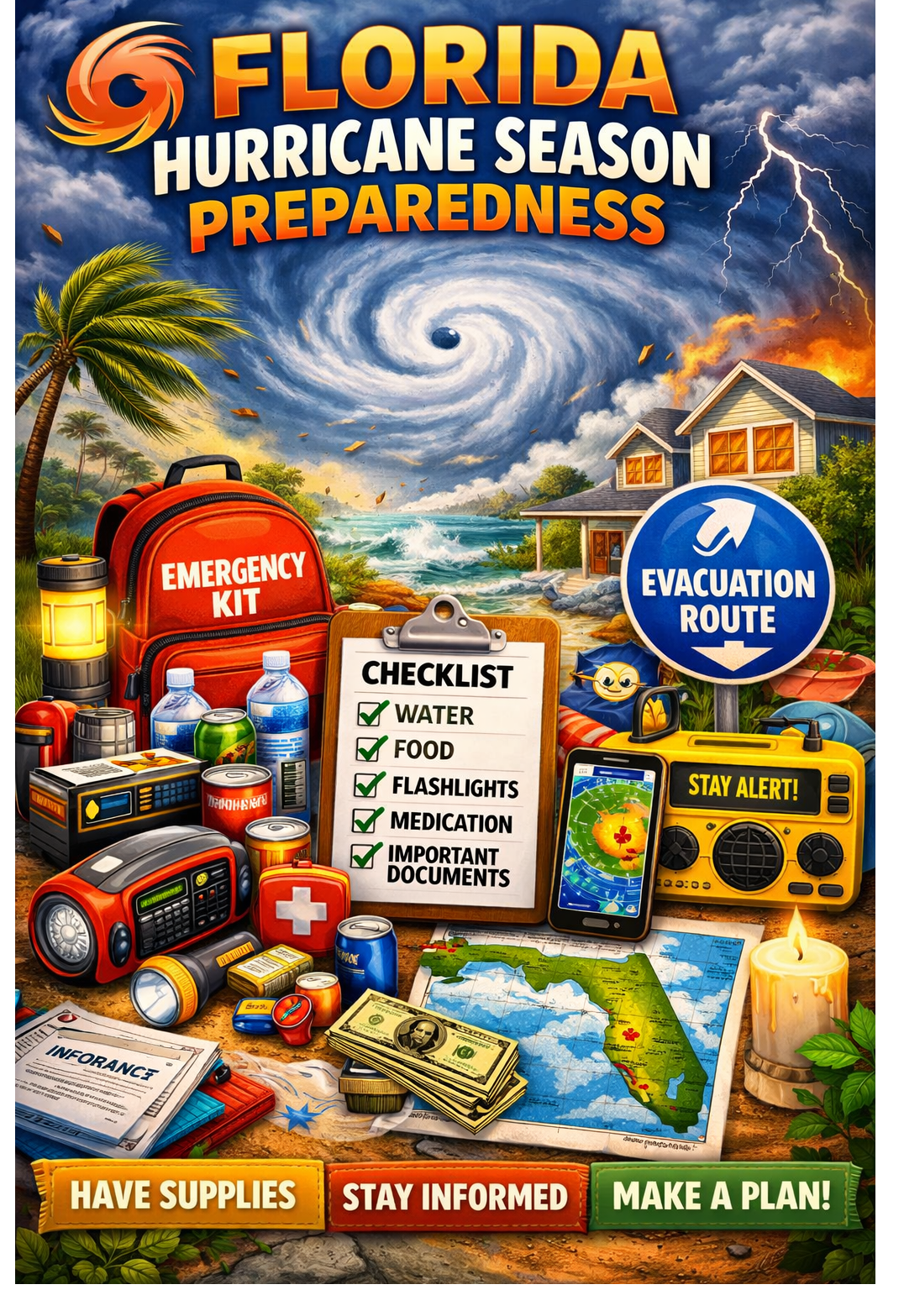
Navigating Florida’s hurricane season can seem daunting, but with the right preparation, you can face it confidently. An essential step in hurricane preparedness is assembling a comprehensive hurricane kit. This kit should be tailored to meet your household’s specific needs while ensuring you are equipped to handle any potential emergency.
Recommended Essentials
- Water: At least one gallon per person per day for a minimum of three days.
- Non-perishable Food: Enough to last each person in your household for at least 72 hours. Consider canned goods, dried fruits, and nuts.
- First Aid Kit: Include bandages, antiseptics, medications, and any necessary personal prescriptions.
- Flashlights and Batteries: Ensure you have enough to last several days in case of power outages.
- Multi-tool: For any necessary repairs or adjustments.
- Important Documents: Store copies of IDs, insurance policies, and medical records in a waterproof container.
- Clothing and Bedding: Include warm clothes and sleeping bags for each family member.
Additional Considerations
- Communication Devices: A battery-powered or hand-crank radio to stay updated on weather conditions.
- Sanitation Supplies: Such as moist towelettes, garbage bags, and plastic ties for personal sanitation.
- Pet Care: Don’t forget supplies for your pets, including food, water, and any needed medications.
By preparing a thorough hurricane kit, you not only protect your family but also contribute to the broader community’s resilience during hurricane season. A well-stocked kit can make a significant difference, ensuring that you’re ready to respond calmly and effectively when a storm approaches.
Want to learn more about hurricane preparedness? Explore our extensive guides on safety measures. Ready to get started on your hurricane kit?
Securing Your Home Against Storm Damage
As Florida residents, the hurricane season is an annual reminder of Mother Nature’s immense power, making it imperative to secure your home against potential storm damage. Being proactive in your approach not only preserves your property but also ensures the safety of your loved ones. Here’s how you can fortify your sanctuary against the relentless winds and torrential rains characteristic of hurricanes.
Strengthen Your Home’s Exterior
Start by reinforcing the most vulnerable parts of your home. Ensure that your roof is in top condition, as it is the primary defense against the elements. Consider installing hurricane straps or clips to secure your roof to the walls. Windows and doors should be equipped with storm shutters or impact-resistant glass to withstand high winds. It’s also wise to check for any gaps or cracks in your walls and seal them to prevent water intrusion.
Clear Your Surroundings
Remove or secure any loose items around your yard, such as patio furniture, garden tools, or potted plants, as they can become dangerous projectiles during a storm. Trimming trees and shrubs is equally important, as strong winds can break branches that may damage your home or vehicles.
Prepare for Power Outages
Invest in a reliable backup generator to keep essential appliances running during power outages. It’s also useful to have a supply of batteries and flashlights at the ready. Additionally, ensure your home is equipped with surge protectors to safeguard electrical devices from power surges.
By implementing these measures, you not only protect your home but also gain peace of mind during the hurricane season. Ready to explore more ways to safeguard your property? Learn more.
Understanding Evacuation Routes and Plans
When navigating Florida’s hurricane season, understanding evacuation routes and plans is not merely a precaution—it’s a pivotal element in safeguarding your family and property. As hurricanes approach, the urgency to evacuate can create confusion and anxiety, but having a well-thought-out evacuation plan can alleviate much of this stress.
Why Evacuation Routes Matter
Evacuation routes are designated pathways that lead to safety, away from the impending dangers of a hurricane. These routes are meticulously planned by local authorities to handle the mass movement of people efficiently and safely. Knowing these routes ahead of time can save precious minutes, which may be crucial in an emergency.
Preparing Your Evacuation Plan
- Identify Routes: Familiarize yourself with local evacuation routes by accessing resources provided by Florida’s Department of Transportation or local government websites.
- Plan Your Destination: Decide in advance where you will go—whether it’s a relative’s house, a hotel, or a designated shelter.
- Prepare Your Vehicle: Ensure your car is in good condition, fueled, and stocked with emergency supplies.
- Stay Informed: Keep abreast of weather updates and evacuation orders through reliable sources like local news stations or the National Weather Service.
Being prepared not only ensures your safety but also contributes to the overall effectiveness of community evacuation efforts. As you develop your plan, involve all family members to ensure everyone knows their role and destination.
Want to learn more about staying safe during hurricane season? Explore our comprehensive guides on hurricane preparedness and safety tips. Have questions? Feel free to reach out to us for personalized advice and support. Remember, a well-prepared plan is your first line of defense against the unpredictable fury of Mother Nature.