What is brain-eating amoeba?
brain-eating amoeba


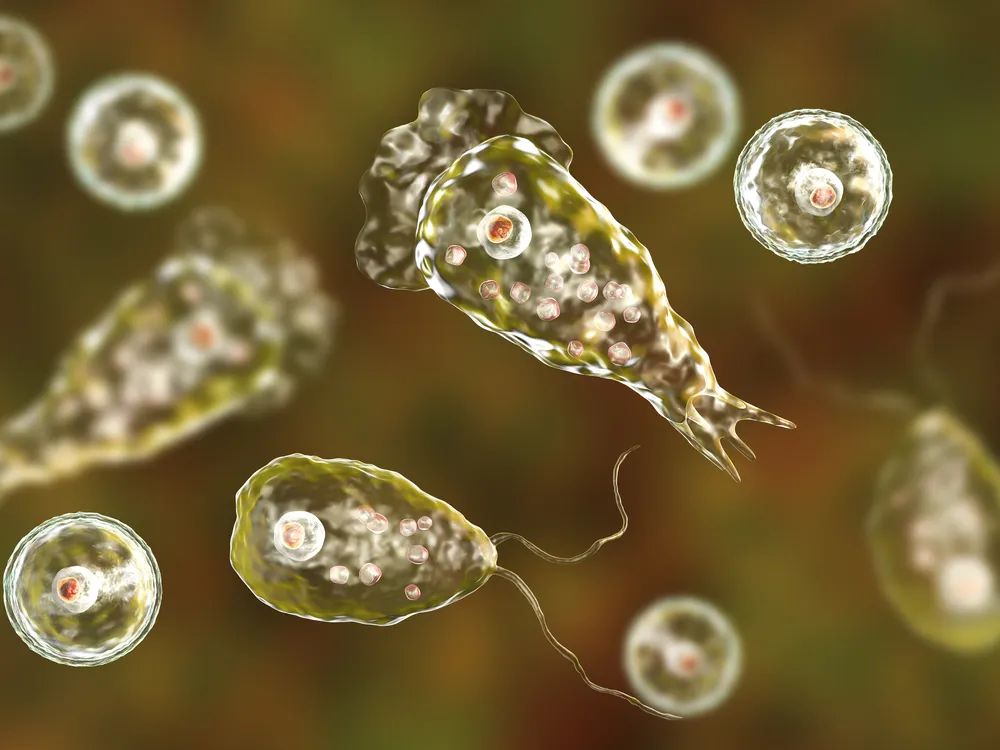
A “brain-eating” amoeba, scientifically known as Naegleria fowleri, is a rare but deadly microscopic organism that can cause a severe and often fatal brain infection called primary amoebic meningoencephalitis (PAM). Naegleria fowleri is typically found in warm freshwater environments such as lakes, hot springs, and poorly maintained swimming pools.
This amoeba is referred to as “brain-eating” because of its ability to invade the human central nervous system, including the brain, where it feeds on brain tissue. While infections caused by Naegleria fowleri are extremely rare, they are usually fatal. The amoeba enters the body through the nose when contaminated water is inhaled, particularly when diving, jumping, or performing water-related activities.
Once inside the nasal passages, the amoeba travels through the olfactory nerve to the brain, where it starts to multiply and cause inflammation. Symptoms of PAM usually appear within a few days of exposure and include severe headache, fever, nausea, vomiting, stiff neck, seizures, hallucinations, and coma. Unfortunately, the disease progresses rapidly, and most individuals who develop PAM die within a week of symptom onset.
Diagnosing PAM can be challenging since the symptoms initially resemble those of other infections or conditions. However, if PAM is suspected, prompt medical attention is crucial. Early treatment with specific medications and aggressive supportive care may improve the chances of survival, although the prognosis remains poor.
Preventing infections caused by Naegleria fowleri involves avoiding activities that involve warm freshwater environments, especially those with poor water circulation. Taking precautions such as wearing nose clips, keeping the head above water, and avoiding activities that create nasal exposure to water can reduce the risk of infection. It is also essential to ensure proper maintenance and disinfection of swimming pools and hot tubs.
While infections caused by Naegleria fowleri are exceptionally rare, the consequences can be devastating. Public health awareness campaigns and education about the risks associated with warm freshwater environments can help prevent these infections. It is crucial to prioritize water safety and take appropriate measures to protect oneself from this deadly “brain-eating” amoeba.